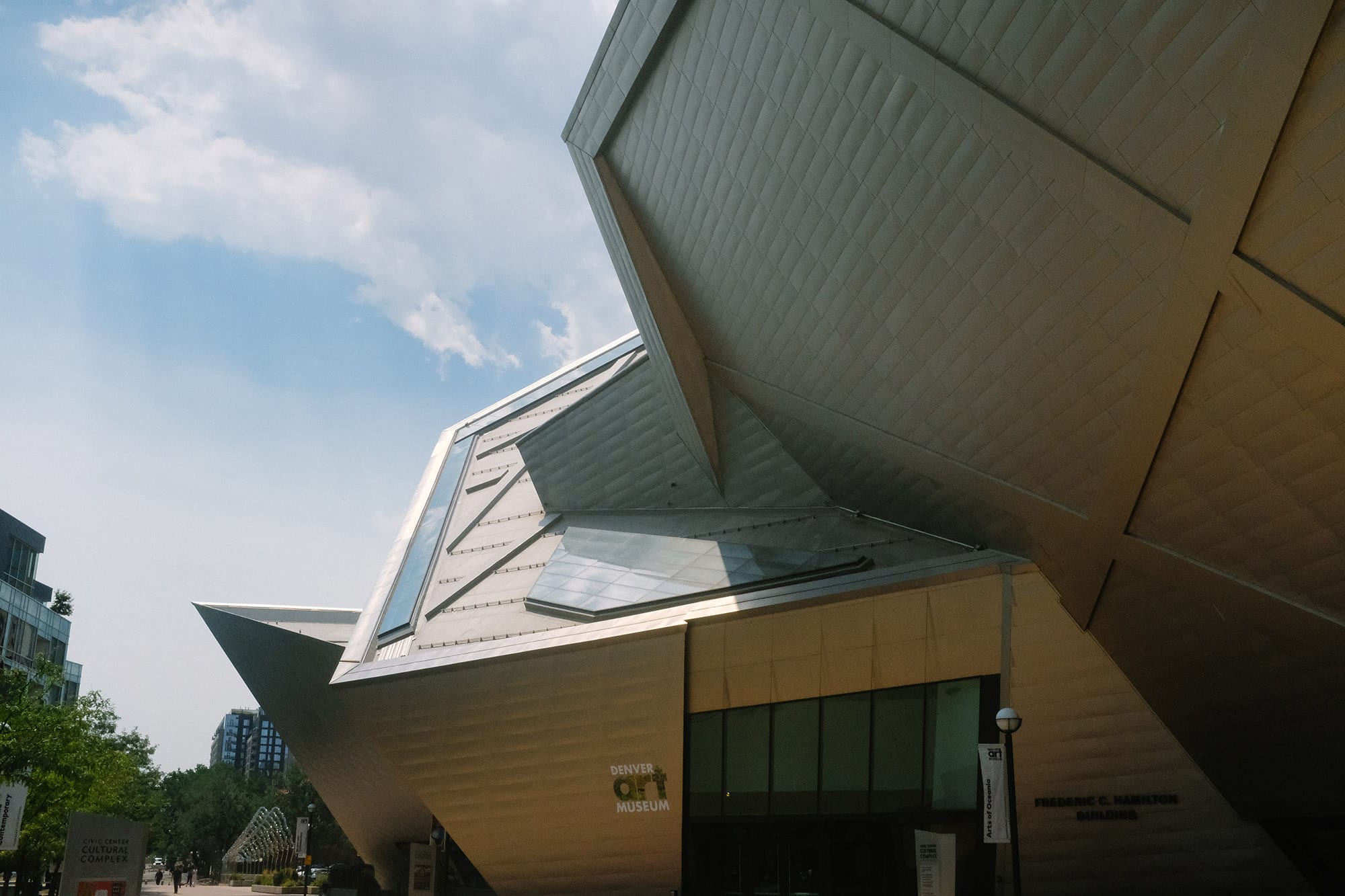
Denver Art Museum
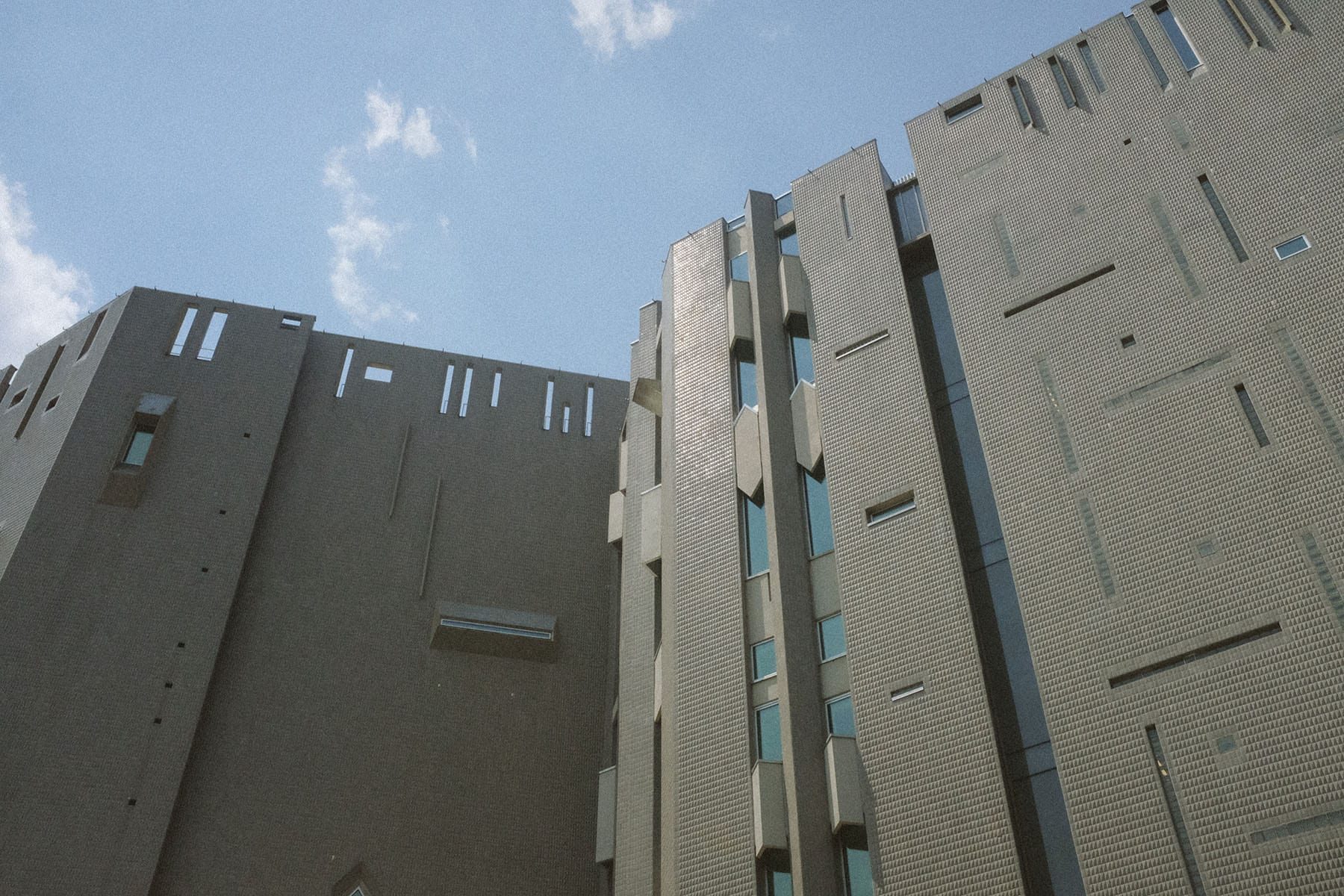
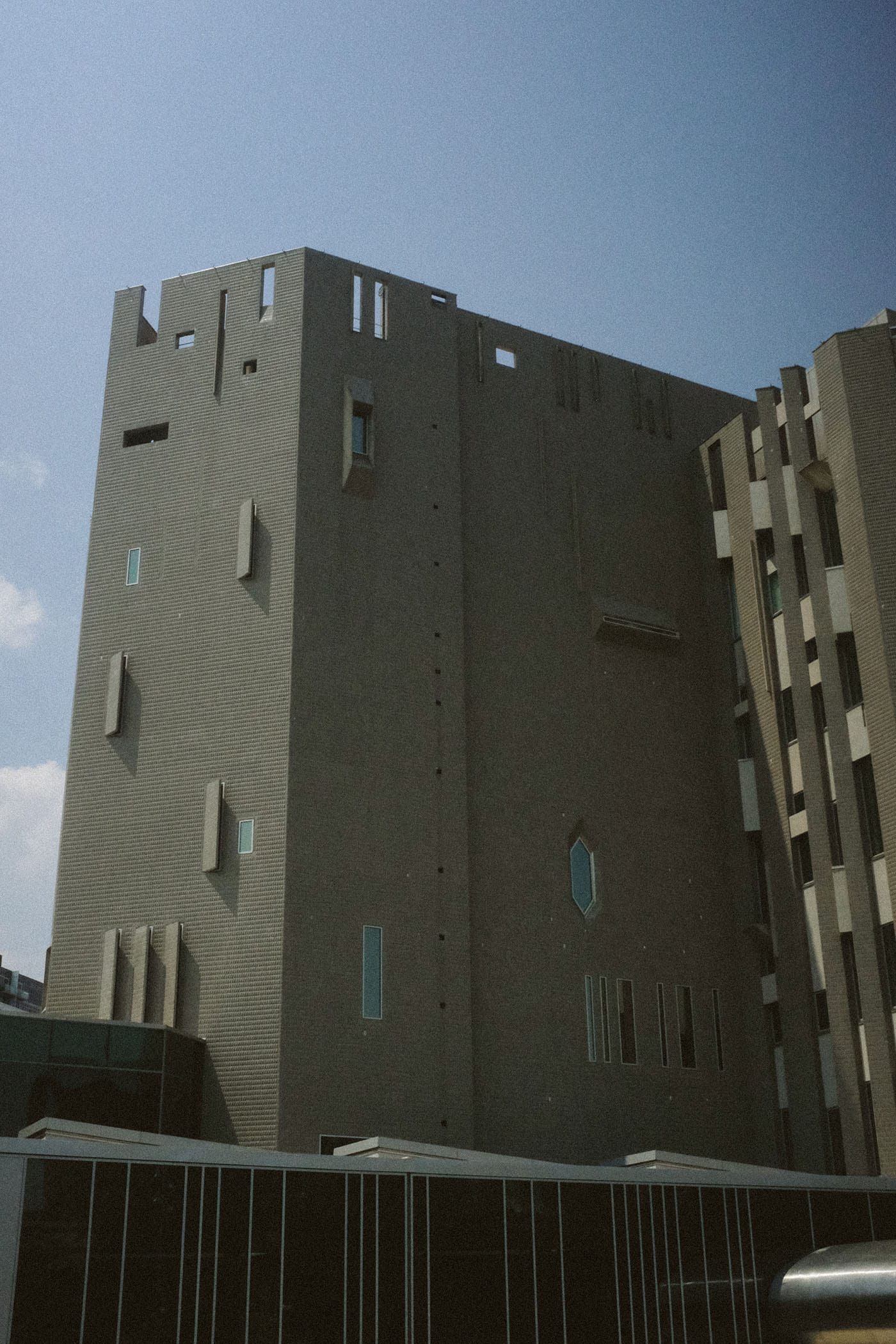
On a family trip to Colorado earlier this month, I made a point to finally visit the Denver Art Museum. Consisting to two wings, the first designed by Italian architect, designer, writer, and editor Gio Ponti, with a newer addition by Daniel Libeskind. It’s an interesting architectural space for a variety of reasons; the first being simply that it’s Ponti’s only US building. Ponti has long been an interesting figure from design history to me and, frankly, a model for my own practice. He moved across design, architecture, teaching, writing, and editing, perhaps best known today as the founder of Domus magazine1. Completed in 1971, the building is technically 28-sided and rises from the Denver skyline looking like a castle.
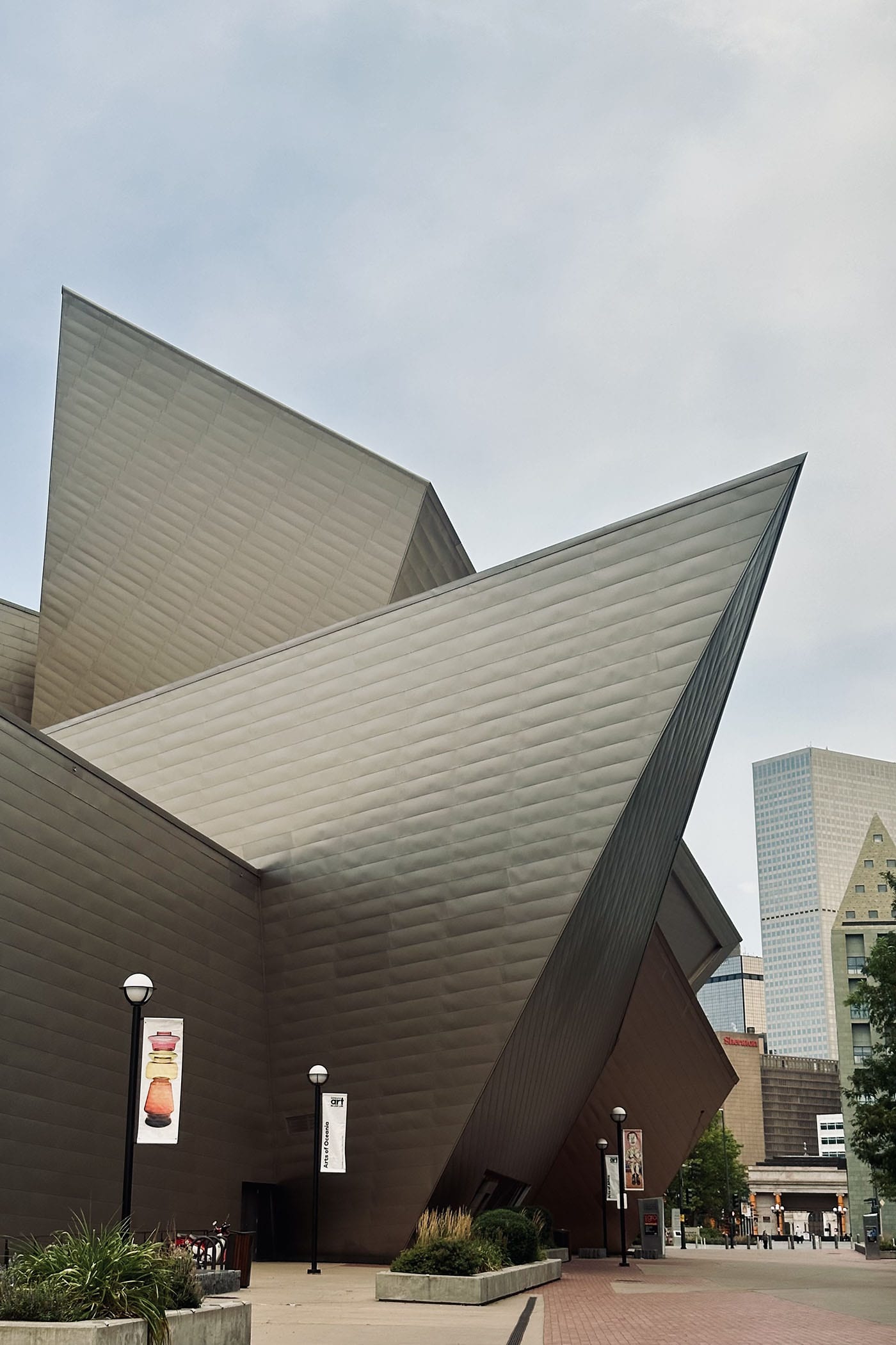
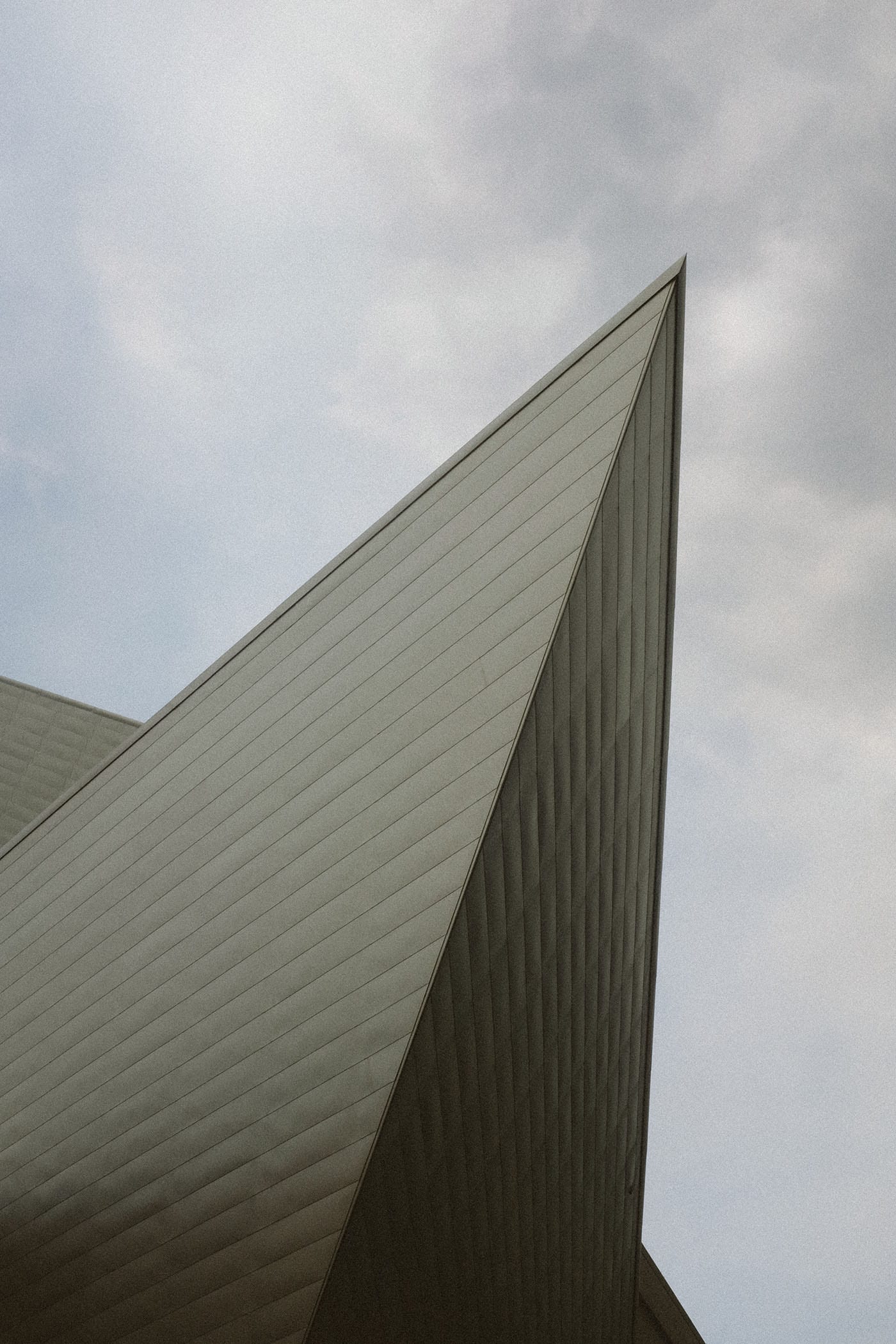
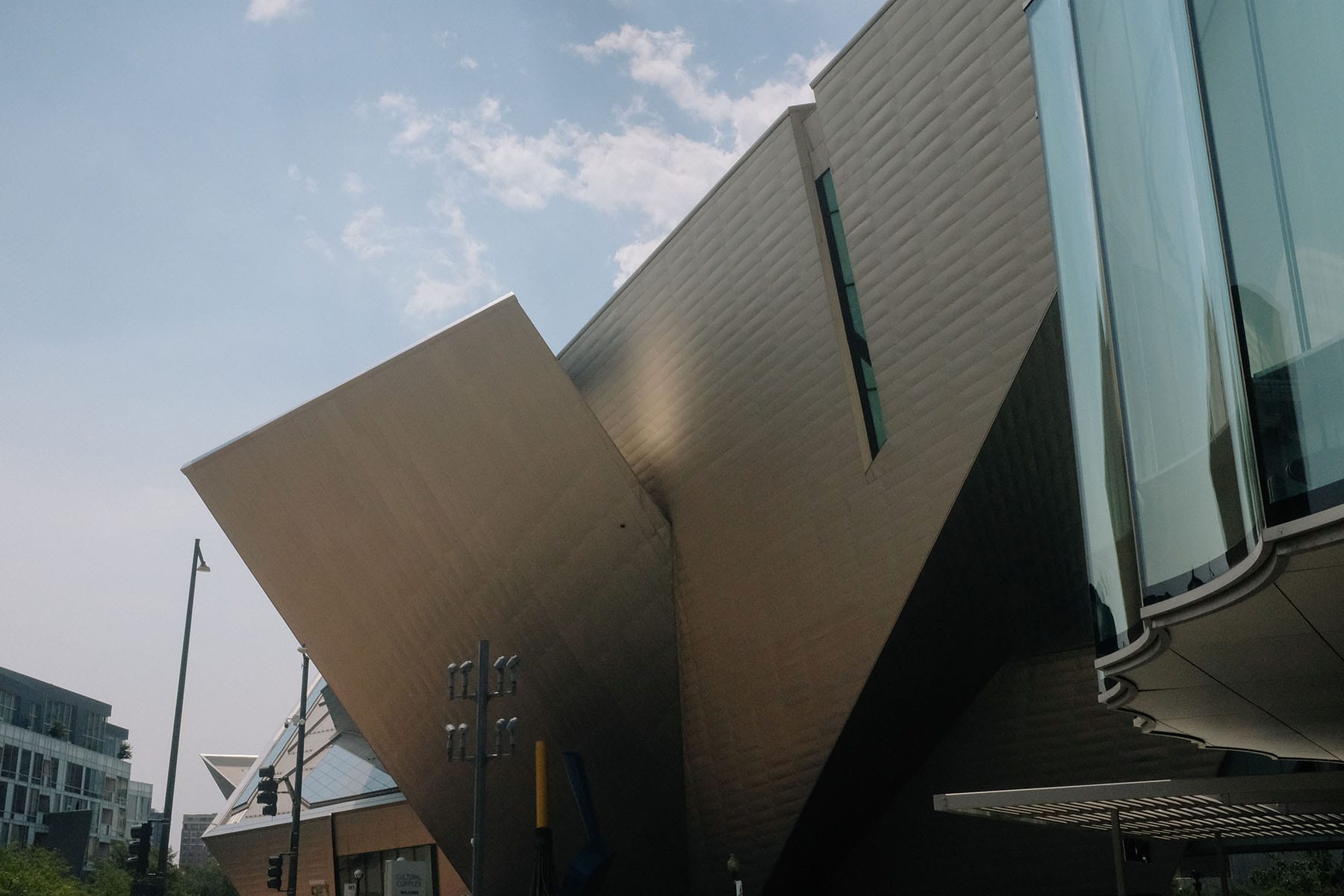
Then in 2006, the museum added a building designed by deconstuctivist architect Daniel Libeskind, fresh off his work for the World Trade Center master plan, though this became his first US completed building. Libeskind has few tricks that he returns to often and this building has all the trademarks. What makes it interesting to me, is its relation to the Ponti wing and the contrast it creates between texture vs smoothness, vertical vs horizontal, while mirroring some of the angles in new ways.
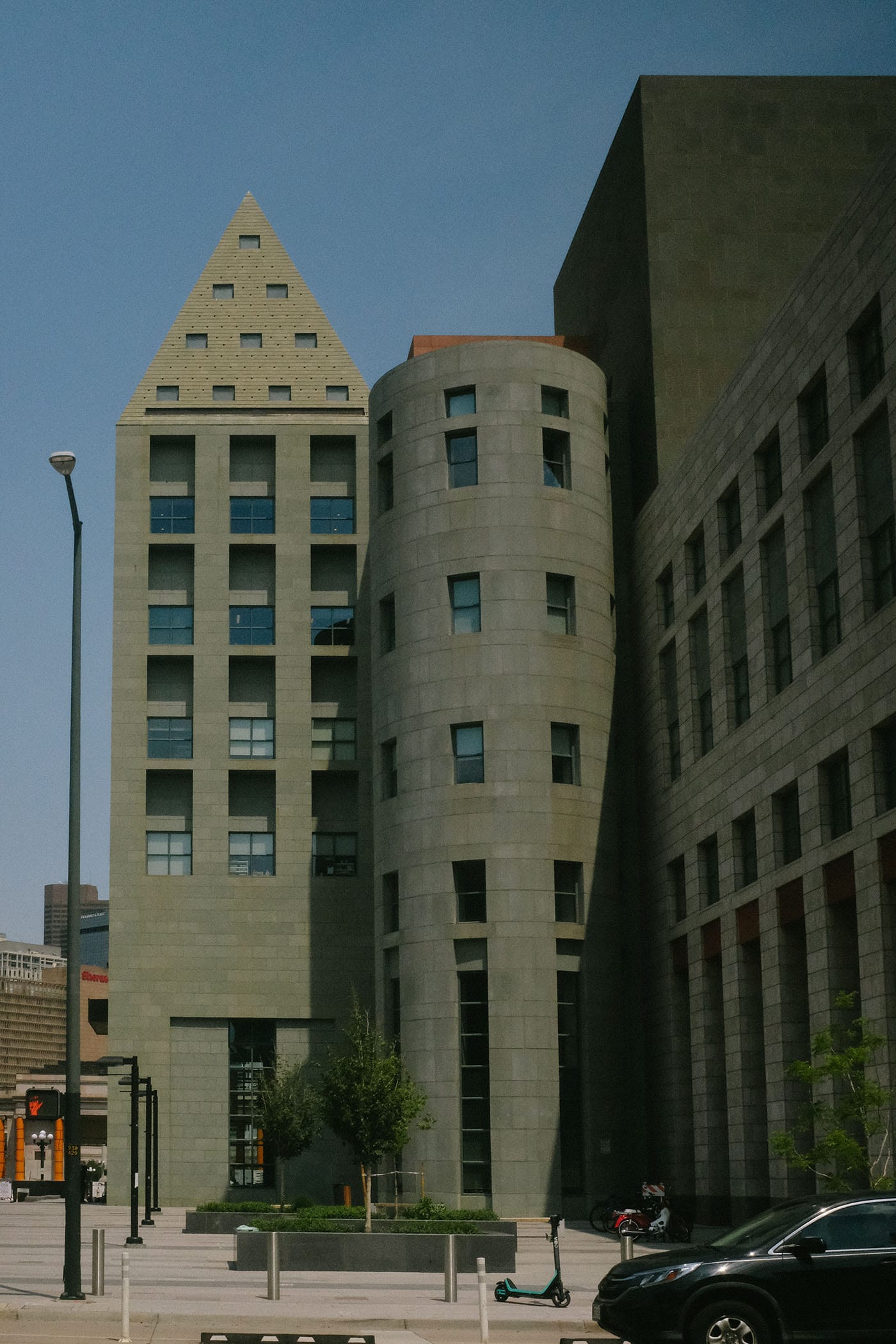
In a fun architectural corner, across the street is Michael Graves’s very post-modern city library design. The more I experience postmodernism in 2026, the more I love it. Here are a few photos I took of the buildings while in town.
-
I unfortunately missed a show they staged earlier this year on his polymathic pratcice but I highly recommend the book: More Than One: Gio Ponti from a few years ago. ↩